Red Sea Tensions: Export Businesses Need Flexible Adaptation
- Hồ Chí Minh
- Industry News
The Red Sea conflict has led several shipping lines to suspend cargo transit and alter schedules, driving up ocean freight rates and triggering a surge in surcharges. Consequently, businesses require timely response strategies to mitigate these impacts.
The Red Sea conflict has forced several ocean carriers to issue notices suspending cargo operations or altering schedules, triggering a ripple effect of rising ocean freight rates and additional surcharges. This is having a significant impact on Vietnam’s import and export enterprises.
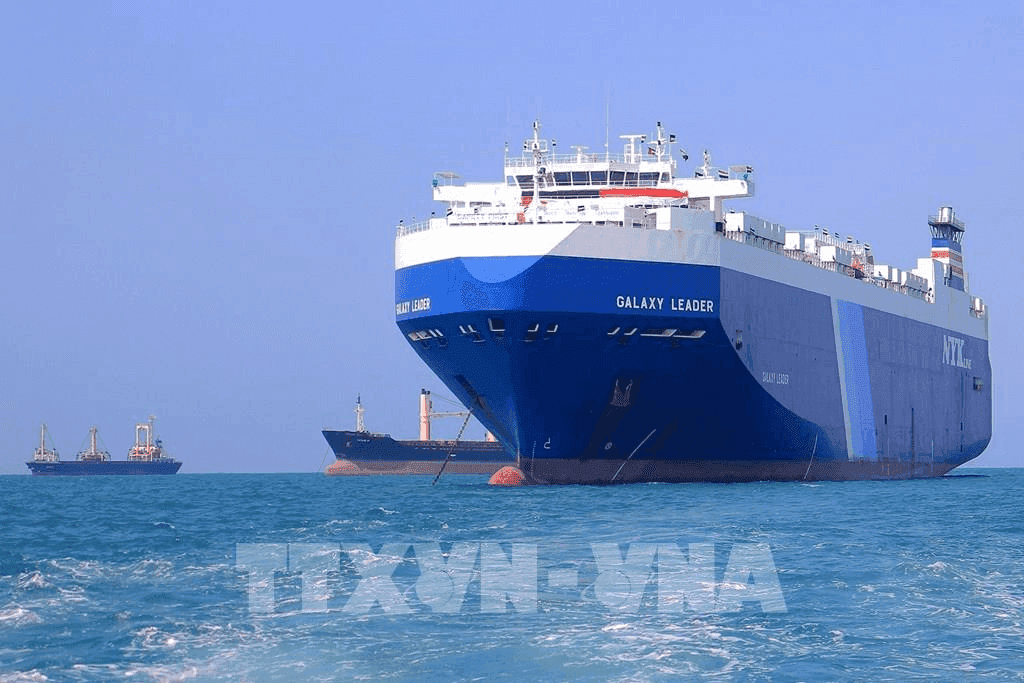
Addressing the situation, Mr. Tran Thanh Hai, Deputy Director General of the Agency of Foreign Trade (Ministry of Industry and Trade), noted that tensions in the Red Sea could add an extra $1,000–$2,000 in costs per container bound for Europe. Heavily impacted product groups include textiles, footwear, wooden furniture, and electronics. Exporters on long-haul routes must adopt prompt countermeasures to avoid regrettable losses.
According to Mr. Tran Thanh Hai, to safeguard business interests, the Ministry of Industry and Trade (MOIT) has requested industry associations and logistics associations to step up monitoring and regularly update member businesses. This enables companies to stay well-informed and proactively adjust production and trade schedules, preventing congestion and other adverse impacts.
Additionally, MOIT requires import-export businesses to closely monitor developments, prepare contingency plans, and liaise with trading partners to extend cargo loading and receipt timelines where necessary. Furthermore, companies are advised to diversify sourcing to minimize supply chain disruptions while exploring rail transport options as alternative delivery methods.
In particular, MOIT recommends that businesses negotiating and entering into commercial and freight contracts include clauses on compensation and liability exemptions for emergency situations. Companies should also secure comprehensive insurance coverage to hedge against risk and loss in the event of prolonged transit times or incidents along this route. On the other hand, exporters must proactively manage transport options to avoid impacting delivery deadlines.
According to updates from several import-export firms, beginning January 2024, a wave of ocean carriers announced freight rate hikes for routes to the US, the EU, and other destinations. Tensions in the Red Sea compromised maritime safety and transit routes, forcing carriers to alter vessel itineraries, which resulted in longer transit times and higher costs.
A series of major ocean carriers—including Yang Ming Line, ONE, Evergreen Line, HMM, and Maersk—issued notices introducing surcharges due to rerouting Asia–Europe services around the Cape of Good Hope to avoid the Suez Canal and Red Sea region. Starting January 2024, freight rates to the US, Canada, and the EU spiked significantly compared to December 2023. West Coast (LA) rates rose by $800–$1,250 depending on the route—jumping from $1,850 in December 2023 to $2,873–$2,950 in January 2024. East Coast (NY) routes saw steeper increases of $1,400–$1,750, climbing from $2,600 in December 2023 to $4,100–$4,500 in January 2024. Freight rates to Northern Europe (e.g., Hamburg) surged dramatically, rising from $1,200–$1,300 in December to $4,350–$4,450 in January 2024—more than tripling.
Industry sources attribute this to the fact that 80% of cargo bound for the US East Coast, Canada, and Europe relies on the Suez Canal. Driven by the Israel-Hamas conflict, Yemen-based Houthi militants launched attacks on vessels entering the Red Sea en route to the canal. In December 2023, vessels operated by Maersk, MSC, and CMA CGM were targeted. This forced carriers to reroute around the Cape of Good Hope (South Africa), adding 7 to 10 days to the journey and extending a vessel's round-trip cycle by roughly two weeks, incurring higher operational costs. Some trade loops were forced to blank weekly sailings—leading to space shortages—or deploy additional vessels, further escalating costs.
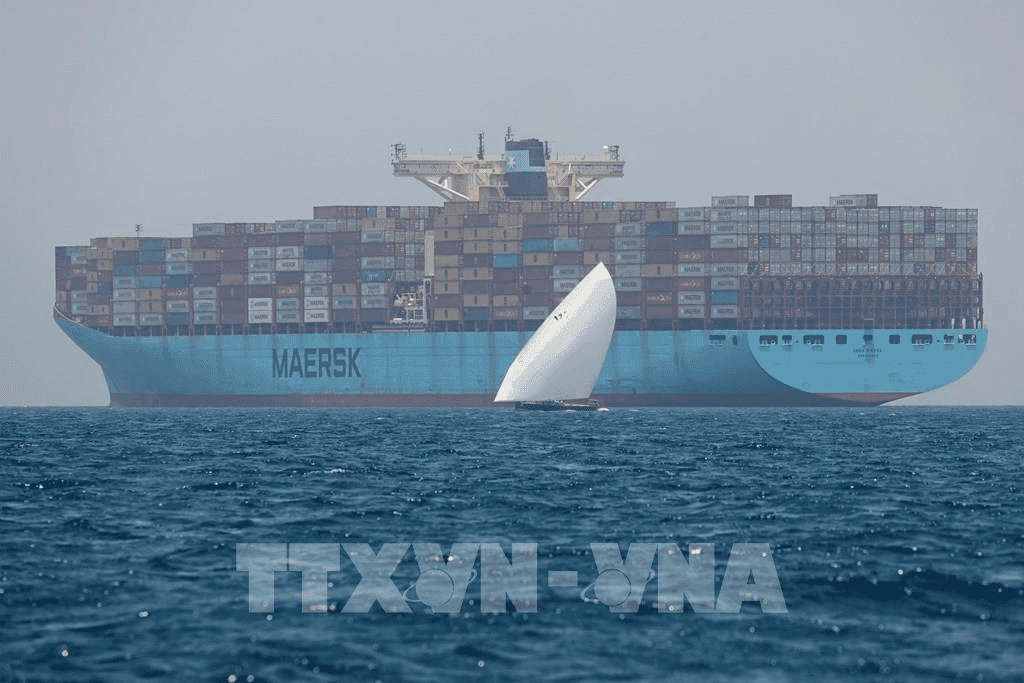
According to international news agencies including AFP, AP, and Reuters, cargo transit through the Red Sea fell by an estimated 20% in December 2023. Data compiled by Greek maritime analytics firm MarineTraffic showed container ship transits dropped 25% year-over-year compared to 2022. Pure Car and Truck Carriers (PCTCs) experienced similar declines, while dry bulkers and LNG carriers saw milder drops. Meanwhile, vessel traffic rounding the Cape of Good Hope jumped 27% in the final week of December 2023 compared to the preceding week.
The disruption and rerouting by major global carriers in the Red Sea threaten to inflate shipping costs, stoking fears of a fresh wave of global inflation. Approximately one-third of global container shipping volume passes through the Suez Canal. Diverting ships around the Cape of Good Hope is projected to burn up to $1 million in extra fuel per round trip between Asia and Northern Europe.
According to Freightos, an Israeli international freight booking and payment platform, spot rates from Asia to Northern Europe more than doubled to over $4,000 per 40-foot container that week, while rates from Asia to the Mediterranean climbed to $5,175.
Data from the International Chamber of Shipping (ICS) highlights that with 12% of global trade passing through the region, the Red Sea serves as a critical maritime corridor linking the Mediterranean Sea to the Indian Ocean, connecting Europe and Asia. Around 20,000 vessels transit the Suez Canal annually, with the Red Sea acting as the key gateway.
The Red Sea and Suez Canal are critical links in the global economy, playing a central role in supply chains for crude oil, natural gas, food, and industrial goods. Approximately 40% of Asia-Europe trade passes through the Suez Canal, including vital supplies of liquefied natural gas (LNG).
Judah Levine, Head of Research at Freightos, noted that shipping capacity remains at record surplus levels. Consequently, while longer transit routes will push freight rates up, ocean carriers seeking to absorb excess capacity will likely prevent rates from reaching the historic peaks seen during the pandemic.
However, Rico Luman, Senior Economist at ING Bank, warned that extended transit times could trigger a domino effect across supply chains, adding: "Everything will depend on how long this situation lasts."
According to Mr. Tran Quoc Manh, Chairman of the Board of Directors of Saigon Production Trade and Development JSC (Sadaco), the company has several shipments transiting the Red Sea and recently received price increase notices from ocean carriers. Surcharges ranged from $200 to $500 per 40-foot container, effective January 1, 2024. Beyond the direct rate hikes along this corridor, businesses worry that prolonged congestion could cause rate increases across other global trade lanes as well. A sudden surge in ocean freight costs poses a severe challenge for wood product exporters who were just beginning to see order recovery.
Similarly, Mr. Ho Quoc Luc, Chairman of the Board of Directors of Sao Ta Foods JSC, shared that while the Red Sea situation appeared calmer in recent days, ocean freight rates remained high. Shipping lines cite a "lag effect," noting it could take a month after risks subside for rates to normalize. Fortunately, Sao Ta currently has few shipments bound for the EU and US, focusing primarily on the Japanese market, so the immediate impact remains limited.
In light of these developments, the Vietnam Association of Logistics Services Enterprises (VLA) recommends that exporters diversify transport modes in the short term. The association will assist businesses with information updates and coordination across supply and import-export chains. Exporters should also ensure commercial and freight contracts include emergency indemnity clauses and hold comprehensive insurance coverage. In addition to diversifying transport routes, companies are advised to broaden their raw material vendor base to prevent production downtime and safeguard delivery schedules.
Source: Bnews/TTXVN